PPC for Behavioral Health: 11 Insights to Reduce Waste, Improve Performance & Scale Admissions
 By
By
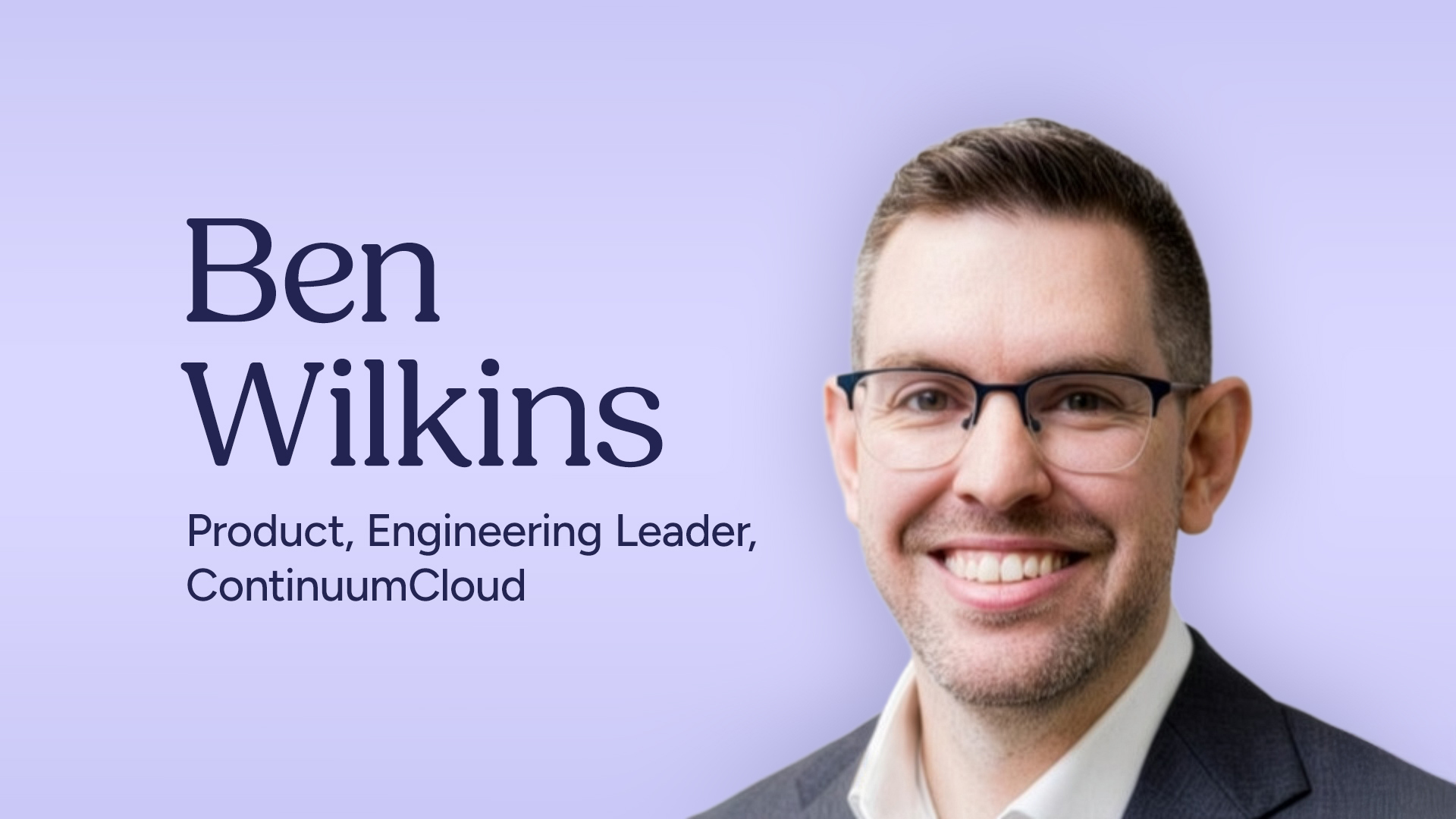
This long-form article summarizes a conversation from the Recovery Reach podcast hosted by Andrew Averill, where marketing and business experts share strategies to help behavioral health organizations expand their impact. In this episode, Andrew speaks with Preston Powell, founder of WebServ, to dissect the realities of PPC in behavioral health—from wasted spend and changing match types to the rising influence of AI and first-party data.
Drawing on over seven years of managing large-scale behavioral health advertising budgets, Preston offers a grounded look at what it really takes to succeed with paid media in one of the most complex and regulated industries in the world.
- Connect with Preston on Linkedin: https://www.linkedin.com/in/ppalll/
- Learn more about WebServ: https://webserv.io/
- Learn more about Revenue Logic: https://revenuelogic.io/
1. Understand Why Behavioral Health PPC Is Fundamentally Different
Behavioral health is unlike any other PPC vertical. Treatment centers face an unusual combination of:
-
High cost of care
-
Heavy competition in specific pockets of the country
-
Complex insurance structures
-
Vulnerable families seeking help under urgent conditions
-
Strict advertising regulations
-
Massive regional differences in market economics
Because of these factors, PPC performance fluctuates in sharper, more unpredictable ways compared to traditional industries.
As Preston candidly explained:
We have a lot of clients that spend in the six figures and I would say it is actually the hardest thing about what I do, because at any given time two thirds of our clients are doing really well, but that leaves a good amount of them not doing well and they switch off. Sometimes it feels like there is no rhyme or reason to it, and that definitely keeps me up at night, especially when you are spending millions of dollars of other people's money.
Behavioral health PPC simply has more variables—and more volatility. But understanding this context is the first step toward building durable, realistic strategies.
2. Adapt Strategies to Regional Market Differences
One of Preston’s strongest messages is that PPC strategies must be shaped by geography and insurance dynamics, not generalized best practices.
Here’s what he sees across the United States:
California
-
Many out-of-network, high-end programs
-
Budgets can reach high six or seven figures
-
More competition, more volume, higher cost per admission
Texas
-
Mostly in-network programs
-
Lower reimbursement
-
Lower monthly budgets
-
Campus-style facilities instead of small residential homes
Middle America
-
Effective localized advertising is possible with $5K–$6K monthly budgets
-
Less competition
-
Higher community trust and simpler referral paths
Preston explained the challenge for marketers who move between states:
It is very rare for somebody to spend tens of thousands of dollars every month for a single location treatment center here in Texas. You just do not see it. Their recommendations that applied before maybe do not apply so much. The economics are totally different.
The takeaway: Your geographic market—not your ambition—defines what’s possible in PPC.
3. Audit Your Account Ruthlessly—Wasted Spend Exists Everywhere
Whether you’re spending $5,000 or $500,000 per month, wasted spend is almost guaranteed in behavioral health PPC accounts.
Preston advises every marketer—agency or in-house—to start with a deep audit of the search terms report and filter for:
-
Any query with 5+ clicks
-
Any query costing $100+
-
Any pattern of irrelevant or low-intent searches
He described one client scenario that’s more common than most marketers realize:
I have a client that was spending about three hundred thousand dollars a month and they were running it in-house. When they hired us we found several thousand dollars a day, probably a hundred and twenty thousand dollars a month that we could eliminate right away and reallocate to things that might work.
Even sophisticated accounts operated by experienced teams accumulate waste because Google’s match types have broadened so dramatically. That makes auditing not just a best practice—but a survival strategy.
4. Stop Matching to Competitor Terms (It’s Expensive and Ineffective)
Competitor keywords are one of the most common sources of budget drain in behavioral health PPC.
With broad and phrase match expanding aggressively, even accounts that do not intentionally target competitor names often show up for them anyway. The result:
-
Low admissions intent
-
Families calling about medical records
-
Alumni trying to contact a specific center
-
Extremely high CPCs (often $100+)
-
Ethical gray areas that harm brand trust
Preston explained how widespread this issue is:
Almost always I see competitor terms in there. Even if they are not targeting them, most clients do not want to show up for them. If you use phrase match with a term like recovery, there are a thousand different treatment centers with recovery in their name and you will match to all of them. It is expensive and it feels a little dirty.
In short: Competitor terms rarely produce viable admissions and should almost always be excluded.
5. Exclude Search Terms That Don’t Match Your Funding Model
If your program accepts only private insurance—or only Medicaid—your negative keyword list should reflect that reality.
Terms like:
-
“Free rehab”
-
“Rehab Medicaid”
-
“Rehab with Medicaid near me”
-
“Low cost rehab”
-
“State-funded rehab”
…will consume staggering amounts of spend with little to no admissions value for most private-pay or out-of-network programs.
Preston sees this constantly:
There is huge search volume around free rehab or rehab with Medicaid. We see tons of that. Those are probably the biggest areas of wasted spend for most private insurance facilities.
Your payer model and your negative keywords must be completely aligned.
6. Understand How Time of Day Influences Intent
One of the simplest but most overlooked PPC levers is time-of-day optimization.
Preston observes that:
-
Search volume peaks between 8 AM and 8 PM
-
Overnight volume drops sharply
-
Weekend volume is lower but not irrelevant
-
Staffing quality during call hours drives conversion rates
His most important recommendation is staffing alignment:
We tell our clients that it is best to run ads when you are going to have somebody ready to go behind the phone. Regular business hours seem to perform better, and that could be tied to the fact that they are staffed better during those times.
If admissions calls aren’t answered quickly and skillfully, even perfect PPC campaigns will underperform.
7. Embrace Google’s New AI-Driven Bidding Realities
Behavioral health PPC has undergone a dramatic shift from manual management to machine-driven optimization.
Seven years ago:
-
Manual CPC bidding
-
Single keyword ad groups
-
Thousands of micro-optimizations
-
Full manual control, full manual workload
Today:
-
Maximize Conversions and Max Conversion Value
-
Broad match that learns from account history
-
Performance Max using multi-channel asset groups
-
Algorithmic bid adjustments based on user profiles
Preston explained how Google now adjusts bids dynamically:
When you use maximize conversions bidding, Google knows about what that user does on the internet and can predict how likely they are to convert. So rather than bidding twenty dollars for every click, they are going to say this person has a fifty percent likelihood of converting, let us bid fifty bucks for this click.
AI manages more components than ever—but Preston stresses that creative, landing pages, and negative keywords still require human oversight.
8. Use First-Party Data to Teach Google Who Your Ideal Patient Is
The future of PPC in behavioral health hinges on first-party data.
Treatment centers don’t want more leads. They want clinically and financially appropriate admissions. To teach Google which callers meet that description, facilities must send offline conversion data from their CRM or call tracking platform.
Preston laid out how this works:
-
Mark call outcomes such as VOB, viable opportunity, refer-out, or admission
-
Send these outcomes back to Google as offline conversions
-
Attach ascending values to each stage
-
Gradually let Google learn who is “worth” more
As he explained:
My clients do not want leads. They want people that are going to fit their criteria and admit to their program. I need some way of communicating that back to Google Ads through offline conversions, and that is the best data that we can give it.
The more your campaign learns from real outcomes—not just raw calls—the stronger it becomes over time.
9. Expect Learning Periods (15+ Key Conversions)
Even with strong first-party data and precise bidding strategies, AI still requires a stabilization period.
Preston shared his team’s rule of thumb:
-
Aim for 15 conversions for the optimization event (VOBs or viable opportunities)
-
Understand that admissions-based optimization requires too much volume
-
Expect early results quickly, but steady results slowly
-
Plan for at least 30–90 days of learning
As he clarified:
You will probably get some results right off the bat, but for them to be something that is dependable, we are looking for around fifteen conversions for what we are focusing on.
Patience is not optional—it’s part of the strategy.
10. Prepare for AI and Search Engines to Fully Merge
Preston is watching a major trend: the shrinking of informational clicks.
AI engines like ChatGPT and search engines like Google are merging into hybrid systems that answer informational queries directly on the results page. This means:
-
SEO traffic from informational searches will continue to decline
-
Transactional, bottom-of-funnel keywords will remain critical
-
Behavioral health PPC must double down on high-intent search
He explained this shift clearly:
A lot of informational queries that used to lead to a click for SEO now are being answered directly on the search engine results page. Everyone talks about the search engine and the AI engine separately, but really they are merging them together and it is wild.
The industry must evolve accordingly.
11. Take Advantage of New Opportunities—Especially in Canada
LegitScript recently expanded into Canada, enabling treatment centers there to advertise on Google for the first time in roughly seven years.
Preston believes early adopters will benefit enormously:
-
Little to no initial competition
-
High-intent traffic that has been suppressed for years
-
Strong opportunities for first-movers
-
A fresh landscape similar to the early days of LegitScript in the U.S.
As he summarized:
Some of the first people to get LegitScript in the U.S. were getting crazy results because there was not any competition yet. There is probably a huge opportunity for Canadian treatment programs at least for the next several months.
For Canadian programs, the time to act is now.
Conclusion: Behavioral Health PPC Rewards Strategy, Not Sheer Spend
Preston Powell emphasizes a fundamental truth: success in behavioral health PPC depends not on who spends the most but on who spends the smartest.
Winning teams:
-
Audit wasted spend relentlessly
-
Align PPC strategy with local market economics
-
Exclude misaligned or low-intent queries
-
Use first-party data to train Google’s algorithms
-
Embrace AI-assisted bidding while maintaining human oversight
-
Align staffing with ad schedules
-
Stay alert to regulatory changes and new markets
Preston captured this perfectly when discussing the metrics that truly matter:
If we have a good cost per viable opportunity, they are getting good at-bats. That is the telling thing, because anything else could be fixed. But if we cannot get the quality leads for a cost that can produce a profitable result for them, then it is going to fail.
Behavioral health PPC is challenging—but when executed with precision, integrity, and data-driven insight, it can transform the admissions pipeline of any treatment organization.